

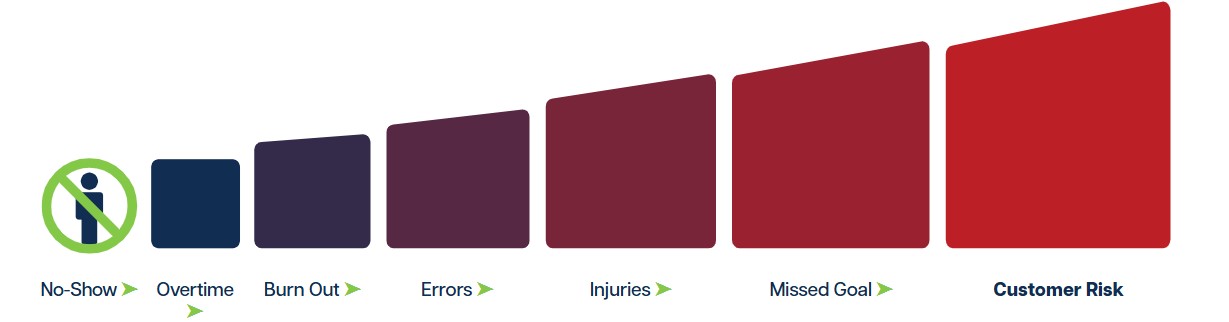
Reliability is easier to protect when an action plan is in place. The most reliable operations donu2019t wait until hiring gets painful.
This perspective reflects lessons learned over 39 years supporting manufacturing and logistics operations.

Unreliable hiring practices can have far-reaching consequences that extend beyond the immediate workplace. When employers fail to select the right candidates, the repercussions often affect team dynamics, productivity, and ultimately, customer satisfaction. This highlights the need for a strategic approach to hiring that considers not just skills but also cultural fit and reliability.
For example, a study by the Society for Human Resource Management (SHRM) found that a bad hire can cost a company up to five times the employee's annual salary when accounting for lost productivity, training, and hiring costs. By recognizing the broader impacts of hiring decisions, businesses can implement more effective hiring strategies that safeguard their reputation and operational efficiency.
To mitigate the risks associated with unreliable hiring, organizations should adopt key strategies that enhance their recruitment processes. This includes defining clear job descriptions, utilizing structured interviews, and employing assessment tools that evaluate candidates comprehensively. By refining these processes, companies can improve their chances of selecting candidates who are not only qualified but also committed to their roles.
Additionally, leveraging technology in recruiting, such as Applicant Tracking Systems (ATS), can streamline the hiring process and help employers manage candidate pipelines more effectively. These tools allow for better tracking of candidate interactions and can assist in identifying the most suitable candidates for critical roles, ultimately leading to a more reliable staffing solution.
A strong employer brand plays a crucial role in attracting top talent and reducing hiring risks. Companies that are recognized for their positive workplace culture and employee satisfaction are more likely to attract candidates who align with their values and expectations. This can significantly enhance the quality of applicants and lead to better hiring outcomes.
To cultivate a strong employer brand, organizations should focus on showcasing employee testimonials, highlighting benefits, and promoting their company culture through social media and career websites. Engaging with potential candidates in a meaningful way can create a favorable impression, making it easier to attract reliable talent that fits the organization's needs.
Continuous improvement in hiring practices is essential for organizations aiming to maintain a competitive edge. Regularly evaluating and refining recruitment strategies based on feedback and performance metrics can help identify areas for improvement. This iterative process ensures that hiring practices evolve alongside industry trends and workforce expectations.
For instance, conducting post-hire evaluations to assess the performance and retention of new hires can provide valuable insights into the effectiveness of the recruitment process. By analyzing this data, organizations can make informed adjustments to their hiring strategies, thereby enhancing their overall staffing reliability and reducing turnover rates.