We’ve Moved! Our DeSoto branch is now located at: 2629 N. Stemmons Freeway, Suite 102, Dallas, Texas 75207 — We look forward to continuing to serve you at our new location. Get Directions
Avoid These Common Interview Mistakes
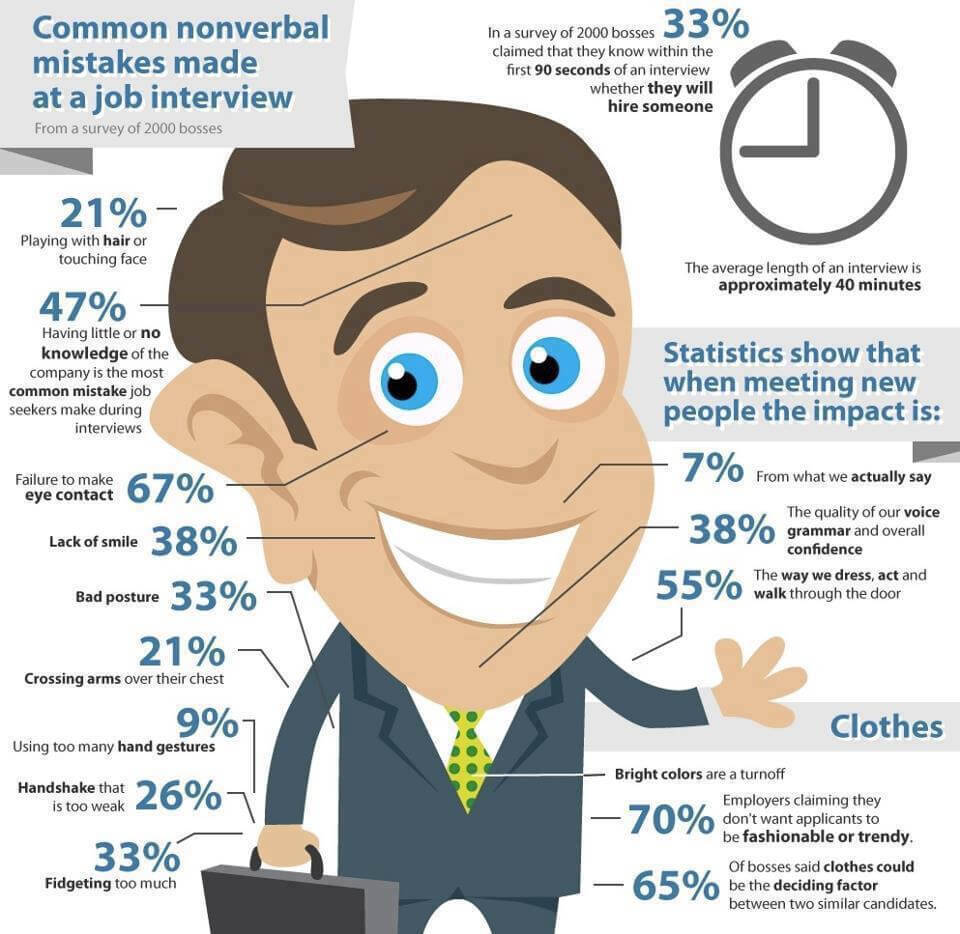
In a recent survey conducted by the Paul Bridges Group of more than 2000 bosses, 33% reported that they knew within the first 90 seconds whether or not they will hire someone. This makes your first impression an imperative aspect of the hiring process. Contact VIP Staffing and check out the graphic below to make sure you don’t make these common interview mistakes.
No-Show and Attendance Problems in Warehouse Staffing: How to Fix Them for Good
Let’s write your success story next. Whether you’re a company looking for the perfect candidate or a job seeker seeking your next opportunity, we’re here to make your next move your best one.
job interview, hiring manager, eye contact, first impression, interviewee, mock interview, common job interview mistakes, hiring process, body language, interview questions, job candidate, qualified candidate, first interview, firm handshake, interview mistake, potential employer, common mistake, job offer, previous employer, job seeker, job search, potential hire, best way, personal details, lack of preparation, deep breath, end of the interview, key skill, job description, good impression, common questions, cell phone, professional setting, company culture, career advice, common interview, job opportunity, top mba, worst interview, job interview mistakes, specific job, hiring decisions, google search, job skills, career path, common interview mistakes, common interview errors
job interview mistakes, common mistakes in interview, common errors in interview, common interviewing mistakes, common mistakes in interviews, common interview errors, interviewer mistakes, basic interview questions, interview mistakes
Understanding the Importance of First Impressions
The first impression you make during an interview can significantly impact the hiring manager's perception of you. Research indicates that employers often make snap judgments within the first few seconds of meeting a candidate, underscoring the importance of presenting yourself well from the outset.
To create a positive first impression, focus on your body language, attire, and greeting. A firm handshake, maintaining eye contact, and dressing appropriately for the company culture can set the right tone for the rest of the interview. Remember, confidence and professionalism are key elements that employers notice immediately.
Common Interview Mistakes to Avoid
Avoiding common interview mistakes is crucial for making a lasting impression. Candidates often falter by not preparing adequately, failing to research the company, or arriving late. These missteps can signal to employers a lack of interest or commitment to the position.
For instance, not being able to answer basic questions about the company or the role can reflect poorly on your candidacy. To enhance your chances, practice responses to common interview questions, and prepare insightful queries to ask the interviewer, showcasing your enthusiasm and preparedness.
The Role of Body Language in Interviews
Body language plays a pivotal role in how you are perceived during an interview. Non-verbal cues such as posture, gestures, and facial expressions can convey confidence and interest or, conversely, anxiety and disinterest.
For example, leaning slightly forward can demonstrate engagement, while crossed arms might suggest defensiveness. Being mindful of your body language and practicing in mock interviews can help you present yourself more favorably, ensuring that your non-verbal communication aligns with your verbal responses.
Preparing for Common Interview Questions
Preparation for common interview questions can significantly boost your confidence and performance. Familiarizing yourself with frequently asked questions allows you to articulate your experiences and skills effectively, making you a more compelling candidate.
Consider practicing responses to questions like "Tell me about yourself" or "What are your strengths and weaknesses?" Additionally, using the STAR method (Situation, Task, Action, Result) can help structure your answers, providing clear and concise examples that highlight your qualifications and fit for the role.