We’ve Moved! Our DeSoto branch is now located at: 2629 N. Stemmons Freeway, Suite 102, Dallas, Texas 75207 — We look forward to continuing to serve you at our new location. Get Directions
Staffing That Moves Your Business Forward
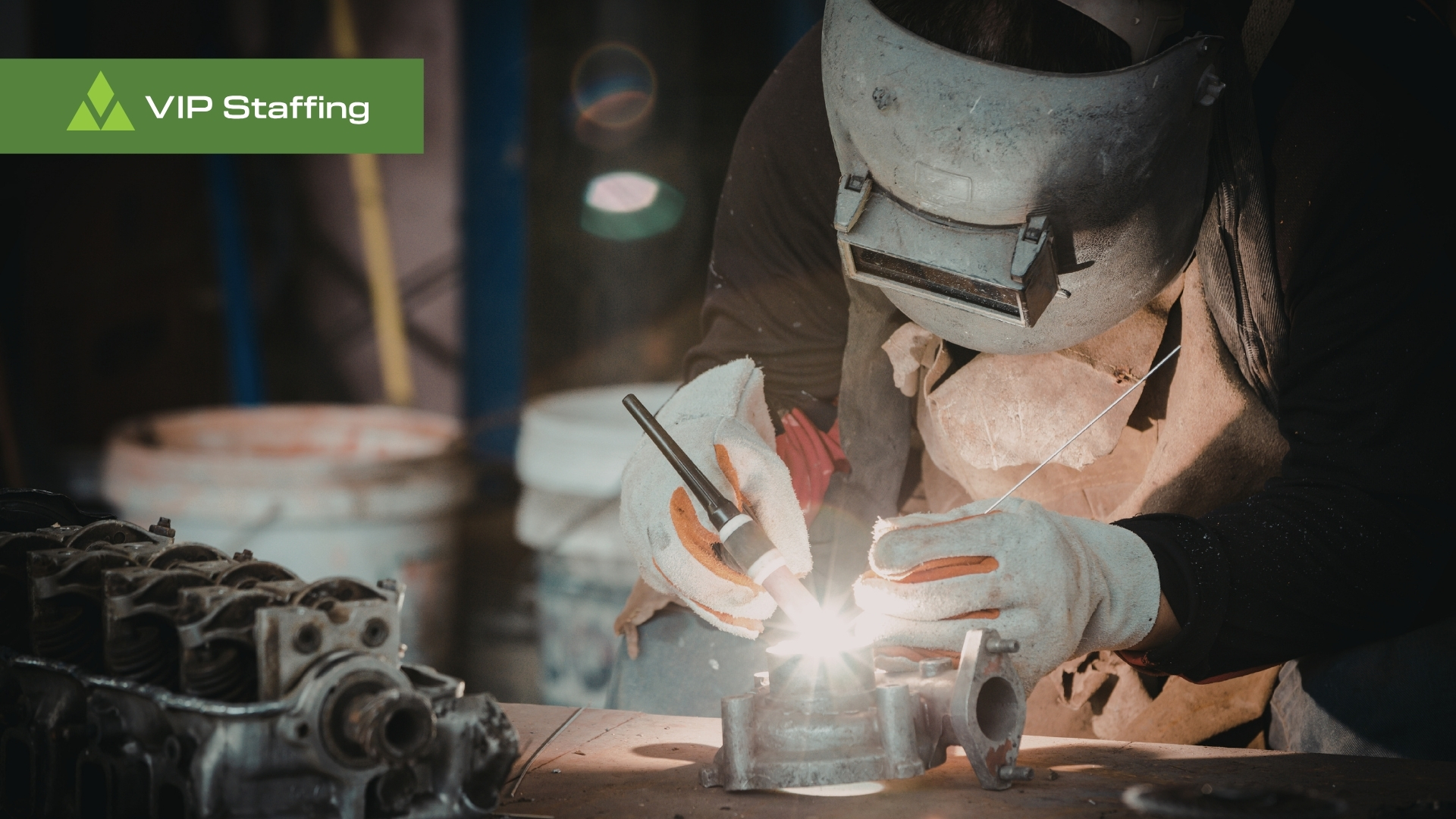
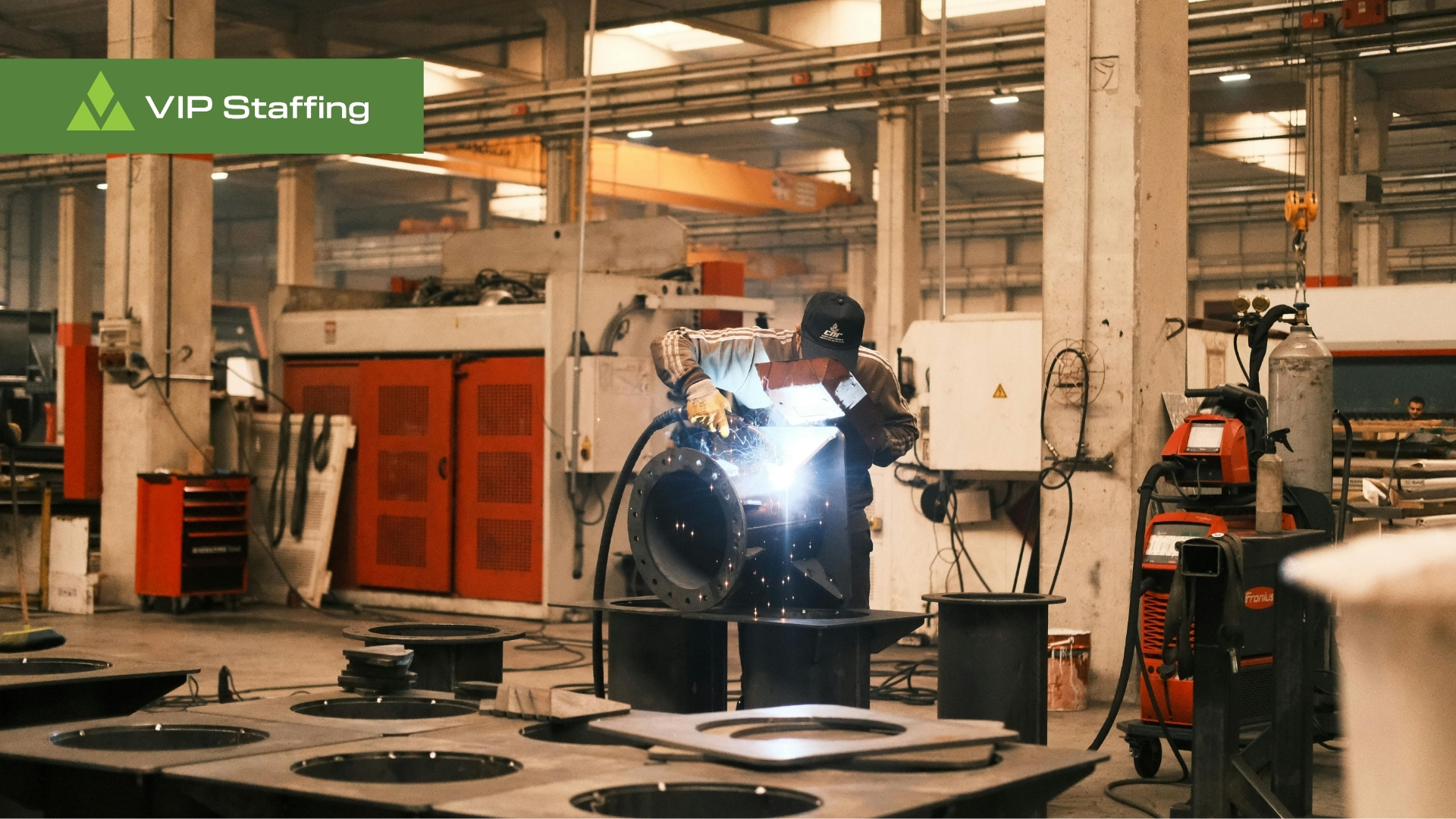
At VIP Staffing, we understand that finding top-tier professionals is essential for maintaining efficiency and driving success in your business. We connect you with highly qualified individuals who have the skills and experience to thrive in the trades. Our tailored staffing solutions ensure you can access the right talent quickly, empowering your business to move forward without missing a beat.
Why Choose VIP Staffing for Skilled Trades?
Specialized Talent Pool
We have an extensive network of skilled trades professionals who have been thoroughly vetted and tested to meet your exact specifications.
Industry Expertise
Our recruiters specialize in the skilled trades sector, allowing us to understand the unique demands of your business and connect you with candidates who are ready to contribute immediately.
Comprehensive Screening
We ensure all candidates undergo rigorous background checks, skills assessments, and certification verification to guarantee quality and reliability.
Flexible Staffing Solutions
Whether you need full-time, part-time, or temporary staff, VIP Staffing provides the flexibility to meet your business’s specific needs.
Quick Turnaround
We pride ourselves on providing timely placements without sacrificing quality, ensuring your operations stay on track with minimal downtime.
Stay Updated with Industry News
Stay informed on the latest trends, best practices, and news related to light industrial staffing. Our News and Articles page is filled with insights that can help you stay ahead of the curve in the ever-changing job market.
At VIP Staffing, we’re committed to helping your business thrive by providing access to highly skilled, reliable professionals. Let us handle the hiring process so you can focus on growing your business.
nyc, electrical service, electrical services, electrician, electricians in my area, 24 hour electrician, electrician services, electrical companies, electrical contractor, electricians, emergency electrician, local electricians, residential electrician, commercial electrician, licensed electrician, electrical repairs, professional electrician, electrical maintenance, new york city, elmhurst, ev chargers, emergency service, financial district, washington heights, upper east side, welding, esab tig, mig tig, lift tig, mig 140, tig aluminium, mig mag welding, tig fronius, welders, tig 200
vip staffing, temp agency san antonio, staffing agency san antonio, temp agencies san antonio, skilled trades staffing agency, skilled trades staffing, staffing agency for welders, pre vetted skilled tradespeople
Understanding the Skilled Trades Job Market
The skilled trades job market is dynamic, with a consistent demand for qualified professionals across various sectors. Industries such as construction, manufacturing, and energy are particularly reliant on skilled tradespeople like welders and electricians, making it essential for job seekers to stay informed about opportunities and trends.
In Texas and New Mexico, the job outlook for skilled trades is positive, driven by ongoing infrastructure projects and growth in manufacturing. Employers are increasingly seeking candidates with specialized skills, certifications, and experience, highlighting the importance of targeted staffing solutions that can connect them with the right talent efficiently.
Benefits of Partnering with a Staffing Agency
Partnering with a staffing agency like VIP Staffing offers numerous advantages for both employers and job seekers. For businesses, it means access to a wider talent pool, reduced hiring time, and the ability to focus on core operations while leaving the recruitment process to experts in the field.
For job seekers, staffing agencies provide valuable resources such as resume assistance, interview preparation, and access to exclusive job openings. This partnership not only enhances the chances of finding suitable employment but also allows candidates to explore various opportunities within the skilled trades sector.
Essential Skills for Welders and Tradespeople
Welders and tradespeople require a unique set of skills to excel in their roles, including technical proficiency in various welding techniques, the ability to read blueprints, and a strong understanding of safety protocols. These skills are crucial for ensuring high-quality workmanship and minimizing risks on the job site.
In addition to technical skills, soft skills such as communication, teamwork, and problem-solving are equally important. As welders often collaborate with other trades and professionals, the ability to effectively communicate and work as part of a team can significantly impact project success and overall job satisfaction.
Advancing Your Career in Skilled Trades
Advancing a career in the skilled trades involves continuous learning and skill enhancement. Professionals can pursue additional certifications, attend workshops, and engage in specialized training programs to stay updated with industry standards and emerging technologies.
Networking within the industry is also vital for career growth. Joining professional organizations, attending trade shows, and connecting with mentors can open doors to new opportunities and help tradespeople build a solid reputation within their field.