
Target keyword: light industrial vs skilled trades staffing | Supporting keywords: types of staffing agencies, professional staffing services, skilled trades recruitment, staffing categories explained
“We need a staffing agency” is where most hiring managers start, and it is usually the wrong first question. The right first question is: what kind of role are you actually filling? Staffing is not one-size-fits-all, and matching your open position to the right category, light industrial, skilled trades, or professional, is what determines whether you get a candidate who can start Monday or one who quietly quits in week two because the role was never really a fit.
Here is a clear breakdown of all three categories, how to tell them apart, and which one your open role actually belongs in.
Light industrial covers the roles that keep production lines, warehouses, and distribution centers moving. Think assembly line operators, machine operators, forklift drivers, material handlers, pickers and packers, warehouse associates, and general laborers.
If your open role involves keeping product moving, whether that is off a line or off a dock, it almost certainly falls under light industrial staffing.
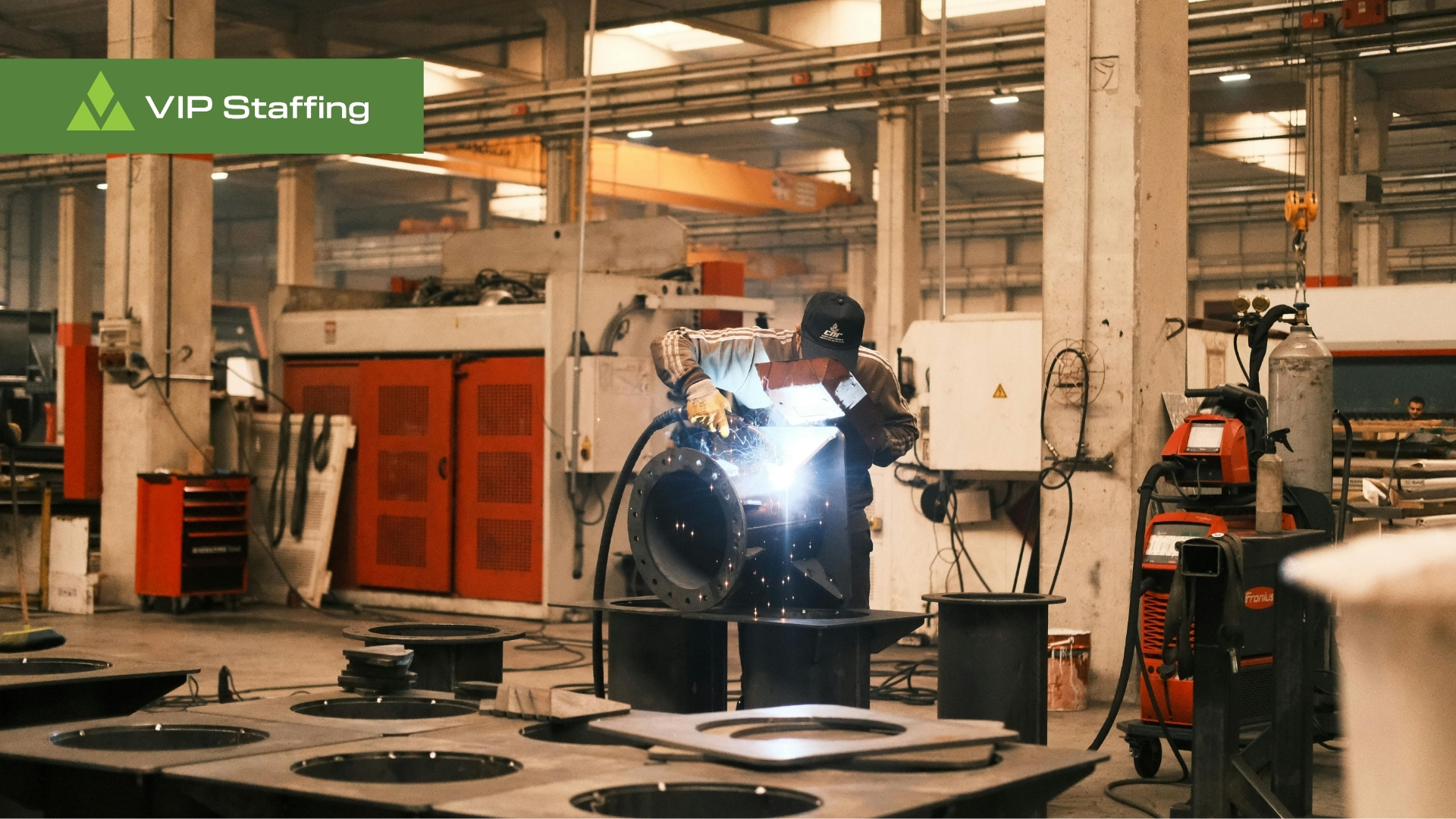
Skilled trades sit a level above light industrial in terms of technical expertise. This category covers welders, electricians, HVAC technicians, maintenance mechanics, pipefitters, machinists, and other roles that require formal training, certification, or a documented apprenticeship background.
If the role requires a candidate to already know how to do the technical work, not just be willing to learn it, you are looking at skilled trades staffing.
Professional staffing covers office-based and technology-driven roles: administrative assistants, customer service representatives, accounting and bookkeeping support, HR coordinators, IT support, and other clerical or technical office functions.
If your open role lives behind a desk or a screen rather than on a floor or a job site, it belongs in professional staffing.
Some roles blur the line, a maintenance technician in a plant, for example, can sit between light industrial and skilled trades depending on the certification required. When that happens, it is worth talking through the specifics with a recruiter rather than guessing, since misclassifying a role often means the wrong pool of candidates gets matched to it from the start.
Staffing agencies build separate sourcing pipelines, screening processes, and candidate networks for each of these categories. A recruiter sourcing light industrial talent is not typically the same person or pipeline sourcing certified electricians. Sending a skilled trades request through a general labor pipeline, or vice versa, is one of the most common reasons employers end up with mismatched candidates and slower fill times than expected.
VIP Staffing built its entire recruiting model around this exact breakdown, with dedicated teams and candidate pools for each category. Whether you need light industrial workers for a production ramp-up, certified professionals through skilled trades staffing, or office and technology support through professional staffing services, your role gets routed to recruiters who specialize in exactly that pool, not a generalist inbox. That specialization is a big part of why placements typically land in 24 to 72 hours instead of weeks.
Light industrial roles are hands-on, physical positions that can usually be trained on the job, like warehouse associates or machine operators. Skilled trades roles require formal certification or apprenticeship-level experience before hire, such as welders, electricians, and HVAC technicians.
Professional staffing covers office-based and technology roles, including administrative support, customer service, accounting, HR coordination, and IT positions, where software proficiency and communication skills matter as much as technical ability.
Ask where the work happens and what qualifications are required before day one. Floor or warehouse work trainable on the job is light industrial. Certified, technical hands-on work is skilled trades. Desk-based or client-facing work is professional.
Yes, roles like plant maintenance technicians can straddle light industrial and skilled trades depending on the certification level required. When a role is ambiguous, it is worth discussing directly with a recruiter to route it to the right candidate pool.
Each category draws from a different candidate network with different screening criteria. Sending a certified trades role through a general labor pipeline, or vice versa, is one of the most common reasons employers end up with mismatched candidates and slower fill times.
Yes. VIP Staffing operates dedicated recruiting teams for light industrial, skilled trades, and professional roles, which allows each open position to be matched against a specialized candidate pool rather than a single generalist database.
Not sure which category your open role falls into? Reach out to VIP Staffing and a recruiter will help you route it correctly the first time.



Let’s write your success story next. Whether you’re a company looking for the perfect candidate or a job seeker seeking your next opportunity, we’re here to make your next move your best one.
